Software for integrated hydrographic research
Purpose
Support for scientific expeditions: real-time monitoring and control over experiment execution; automated processing and data analysis; export of results to international formats for hydroacoustic data storage
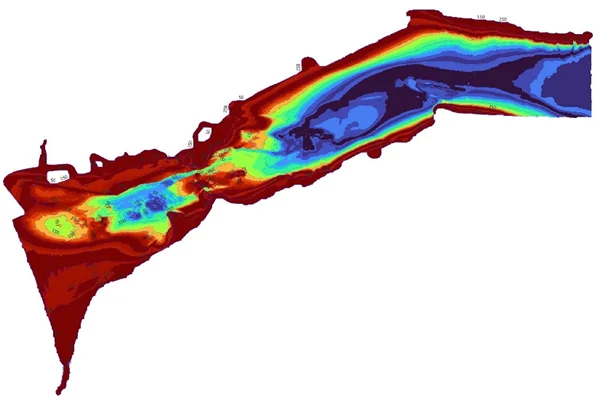
Processing and analyzing of 3D hydroacoustic data (including gridding methods)
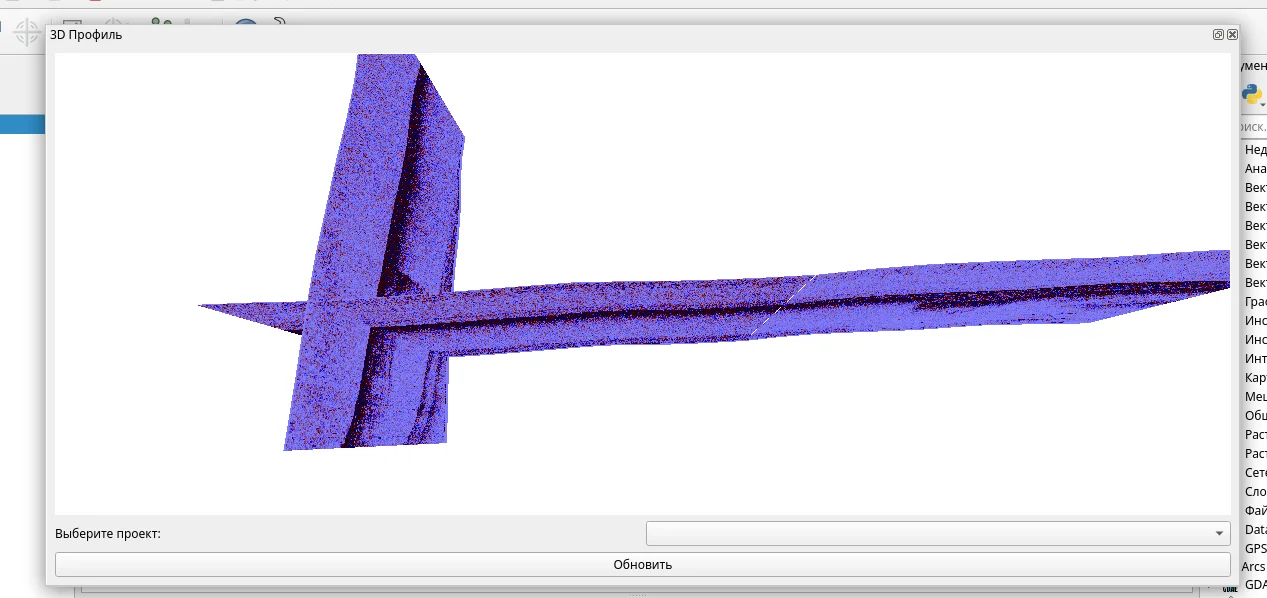
Generation of 3D profiles for the water column and the seabed sediments
Database Integrations
Objectives
- Development and optimization of hydroacoustic survey plans in compliance with technical and methodological requirements
- Receiving, processing, and analyzing of data from hydroacoustic equipment
- Multimodal visualization and editing of survey data with advanced analytical tools for detailed evaluation and correction
- Complete post-processing and comparative analysis of field data to improve the accuracy, reliability, and validity of the final results
- Export and storage of data in compliance with international scientific data exchange standards
Capabilities
|
|
|
|---|---|
|
Mission planning
|
Survey route design, parameter adjustment in automatic and
manual modes |
|
Mission support
|
Trajectory tracking and visualization of survey data in real-
time |
|
Visualization of
hydroacoustic data |
2D and 3D views, cross-sections, comparisons
|
|
Integrated database
|
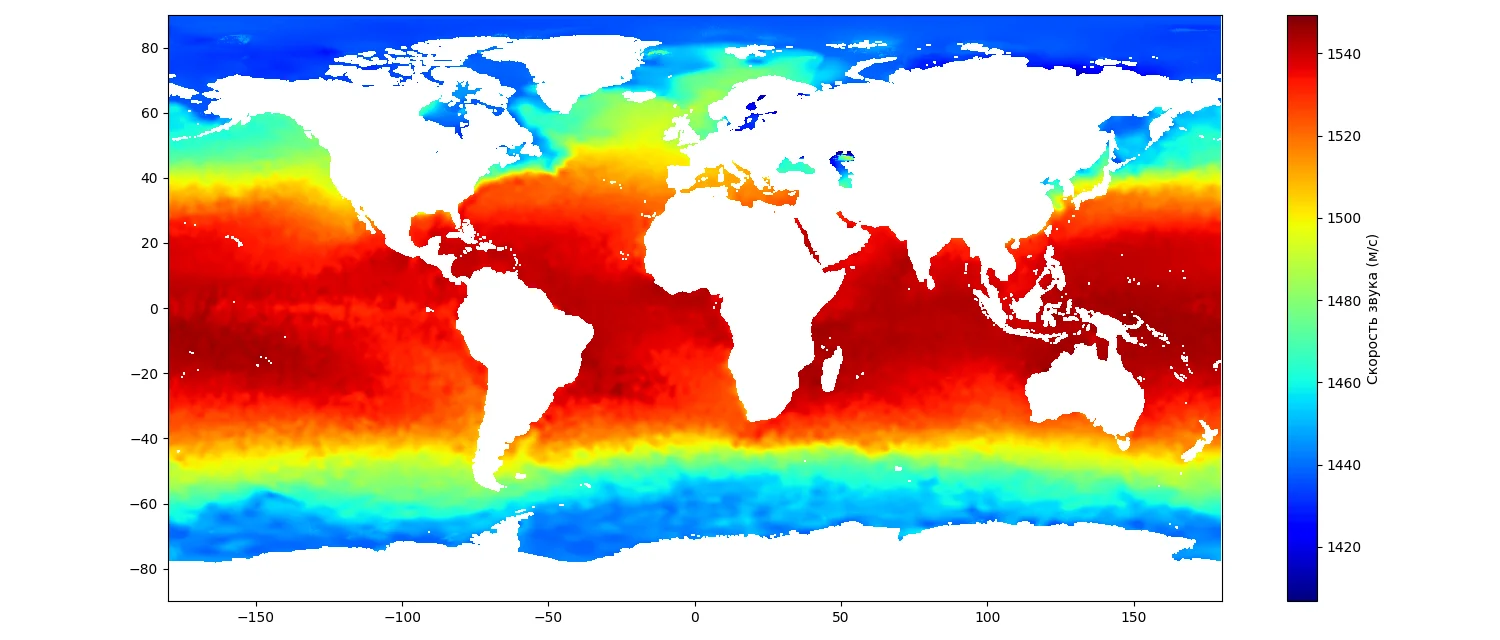
Archive of monthly-averaged observations across the global
ocean |
|
Compatible data
transformation |
Conversion between international formats (json, csv, tif,
netCDF, SEG-Y, shp, etc.) |
|
Post-processing
|
Noise reduction, error correction, data interpolation, gridding
methods, etc |
Mission planning module
The planning module is designed to optimize the research vessel’s survey route while taking into account navigation safety (with consideration of S-57, S-63 charts, etc.) and the configuration of the installed hydroacoustic equipment
Visualization and data
processing
- Generation of 3D profiles for the water column and the seabed sediments
- Processing and analyzing of 3D hydroacoustic data (including gridding methods)
- Visualization of hydrodynamic processes and analysis of vector fields
Database integration
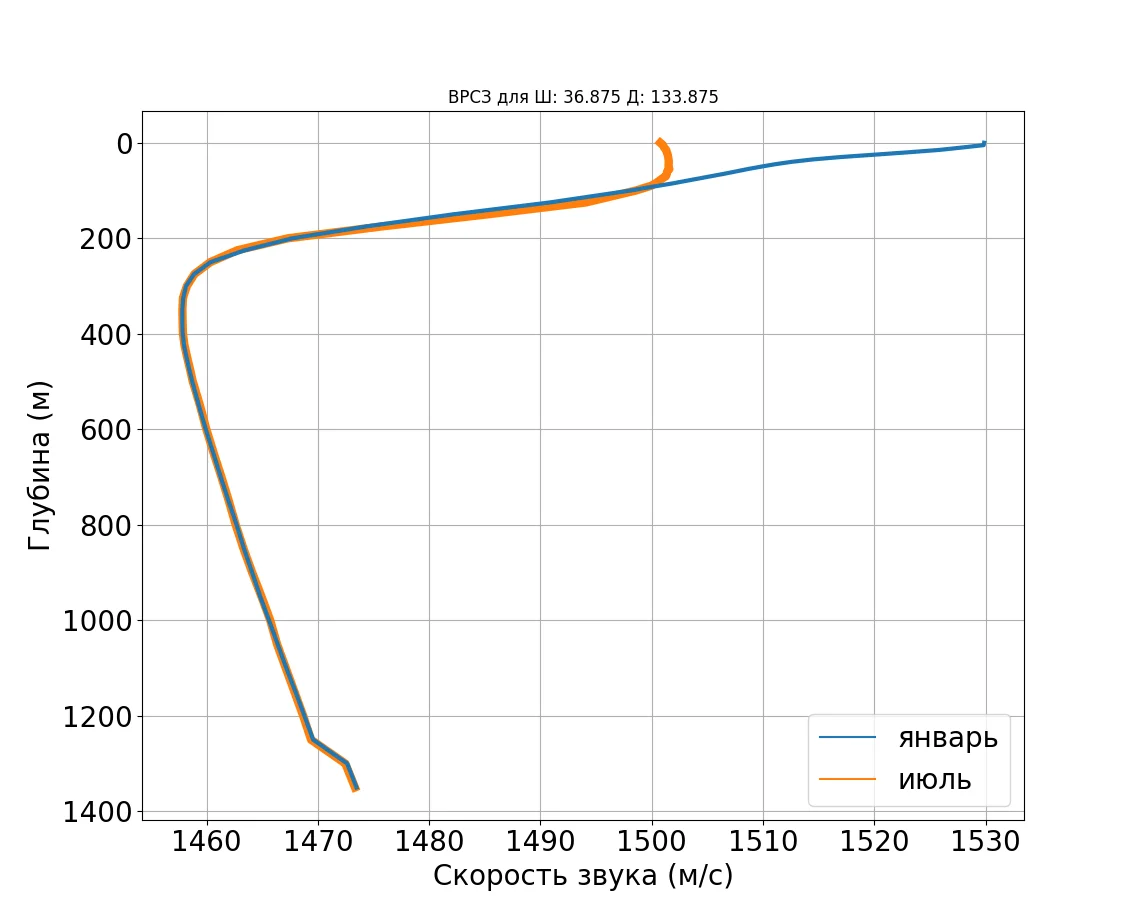
The software integrates databases with oceanographic parameters (sound velocity, temperature, salinity, and others) for the initial evaluation of hydroacoustic system performance, survey route planning, and post-processing